
I recently had a conversation, or more accurately, an argument, with a friend in the pub over who is the greatest racing driver of all time. A painful one, as they launched into the typical Senna sermon, praising his “holy” throttle technique.
Now, personally, and on a hill I will happily die on, Jim Clark is the greatest racing driver of all time. From a Lotus 25 to a battered Cortina, he could squeeze the last few horses out of whatever car he touched. That sheer range of talent is why Clark tops my list. But this got me thinking: why is it that whenever we ask who the greatest driver is, the answer is almost always Formula One?
Formula One is quick, yes. But it isn’t the only motorsport that breeds greatness. Le Mans demands 24 hours of focus through darkness, rain, and fatigue. Tom Kristensen won there nine times. Rally is the art of driving a car flat-out on gravel, tarmac, and ice. Sébastien Loeb won nine world championships in a row. If other motorsports are just as demanding as F1, maybe F1’s claim to greatness hides behind money, glamour, and gentrification. That glitz pushes other motorsports out of the spotlight.
F1 has the most funding of any racing series. Every season, it’s a star-spangled soap opera: rule changes keep the competition fresh, aero packages turn the tides overnight, and Netflix has spun F1 into high-definition melodrama. The Drive to Survive docuseries didn’t just grow the fanbase; it rewrote it. Since the series launched, US viewership of F1 has more than doubled.
This commercialisation hasn’t just elevated F1; it’s leaving other motorsports in the dust. While Le Mans doesn’t have billboards across every major capital city and the WRC doesn’t have TikTok fan edits, F1’s global presence is so strong that it’s rewriting the requirements for “motorsport greatness.” Suddenly, if it doesn’t have billionaire sponsors, celebrity grid-walks, and heavy media coverage, it’s background noise.
F1 attracts luxury sponsors, from Rolex, official timekeepers between 2013 and 2024, to Moët & Chandon, the sport’s official champagne. A title sponsorship can cost upwards of $50m per year, enough to bankroll a Le Mans team for a decade. These logos aren’t just plastered on F1 paddocks; they symbolise a world most fans will never afford.
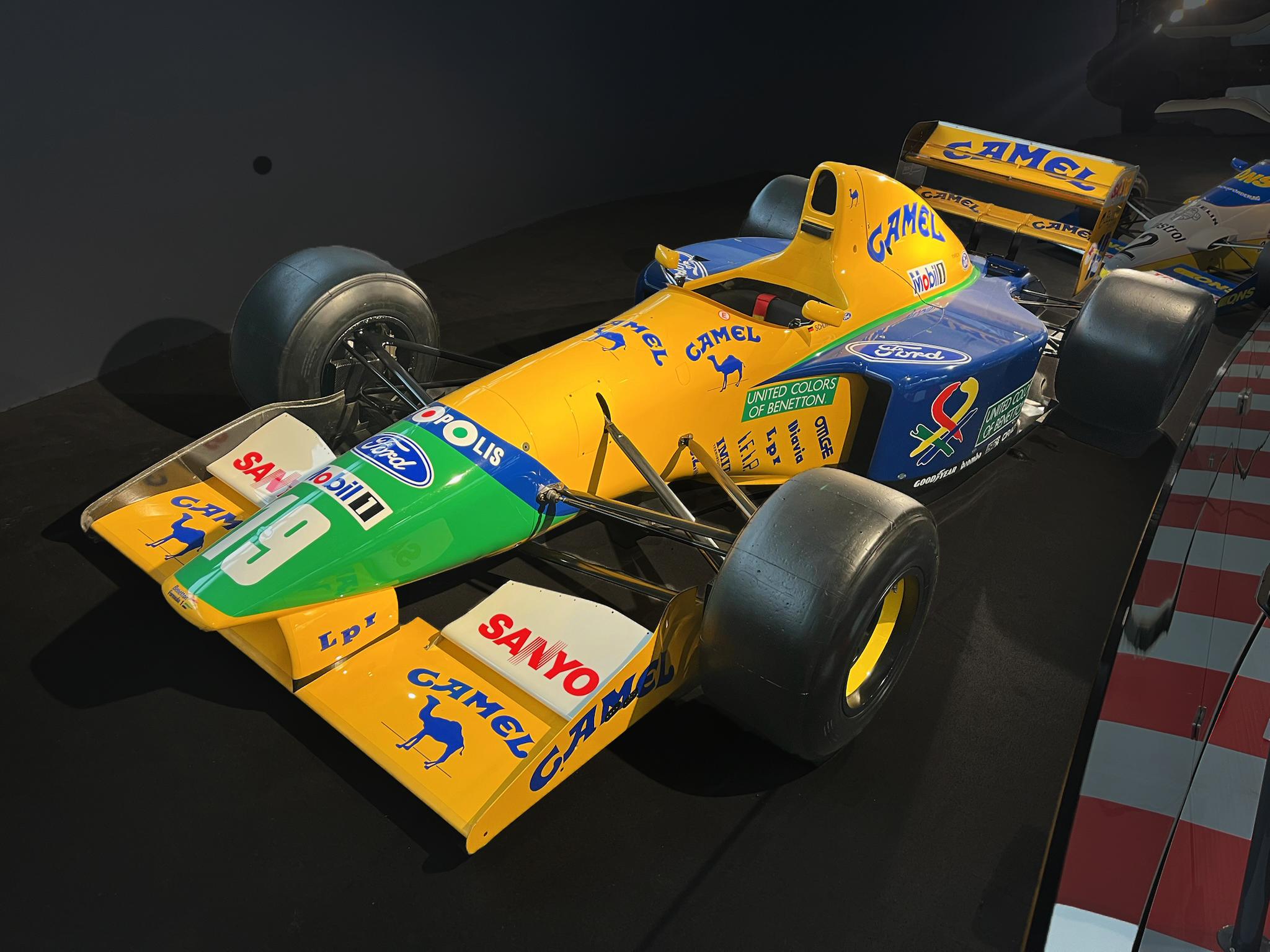
Any sport with official champagne would never seem accessible to the working class. It wasn’t always this exclusive, though. Not long ago, F1’s sponsors were Marlboro, Camel, and beer companies. When tobacco advertising was banned in 2006, F1 swapped target demographics. Out went garage and small-business sponsors; in came Swiss watchmakers, luxury hotels, and private jet firms. F1 stopped smelling like petrol and ashtrays and started smelling like Dior.
Money doesn’t just fund the racing; it frames the entire event. The more F1 curates itself as an exclusive luxury event, the more ordinary fans feel like outsiders. For new F1 fans, it isn’t a celebration of speed anymore; it’s an invitation-only gala with some racing in the background.
With headlining sponsors selling products that cost more than a family car, F1 comes with a hefty price tag. At Silverstone, general admission starts around £279. Want a seat? Some circuits charge £500 or more for a plastic grandstand. Paddock Club passes run £4,000–£8,000 per weekend. That’s before flights, accommodation, or food. At that point, you might as well buy a used race car and crash it yourself. Watching from home isn’t cheap either; Sky now holds rights once free-to-air on the BBC.
In contrast, grassroots racing tickets can cost as little as £20. There are no champagne receptions, but even the most expensive tickets are only a fraction of F1’s general admission. Spectators can wander the paddock, talk to drivers, and lean over cars to understand the sport. Try that at an F1 weekend, and a security guard will tackle you, hand you a lifetime ban, and a restraining order from Max Verstappen.
Sebastian Chodyko, head of the motorsports committee at the University of Sheffield stated that “I would much rather buy a grassroots rally ticket and save up for my own car than buy the cheapest F1 ticket.” And after saving money by not attending a few F1 races, you could easily buy your own car with the direction ticket prices are heading.
Ease of access for drivers is another issue. Sir Lewis Hamilton came from a working-class background; his father worked several jobs to support his karting dreams. Stories like his are nearly impossible today. Karting alone costs a small fortune. Stepping up to Formula 4 can cost £100,000–£350,000 per season.
Motorsports were never meant to be exclusive. Polishing a race into a luxury gala goes against the sport’s spirit. At the 2024 Las Vegas Grand Prix, over 100 influencers and celebrities were invited, not for racing, but to reinforce motorsport as a champagne-soaked spectacle. It felt less like a race and more like a red-carpet event, with cars in the background.
I understand why F1 pushes this image: branding itself as a luxury spectacle increases its audience beyond hardcore petrolheads. Still, I was lucky my grandad introduced me to racing via the oily, hands-on side, where mechanics improvised fixes on the fly.
This new wave of automotive influencers has bought into the glossy fantasy. As a result, car reviews now lean toward supercars and luxury SUVs, neglecting the family cars or beat-up hatchbacks most people actually drive.
I’m not opposed to opening F1 to a larger audience. But representation must go beyond age and gender. Class matters too, and the sport is less accessible to working-class fans than ever. It can be messy, greasy, and thrillingly imperfect. The industry just needs to remember that side. If social media and luxury sponsors keep reframing motorsport as an exclusive lifestyle brand, we risk losing the raw, welcoming spirit that made it special.
“Benetton B191 Formula One car” taken by Daniel Boland
Tags
formula 1, f1, motorsport, racing, grand prix, drivers, cars, speed, engines, tickets, sponsors, paddock, netflix, drive to survive, fans, fandom, culture, luxury, glamour, exclusivity, accessibility, elitism, money, class, sport, history, tradition, future, le mans, rally, wrc, nascar, indycar, karting, silverstone, vegas, las vegas, hamilton, verstappen, senna, jim clark, sebastien loeb, kristensen, lotus, cortina, fia, sky, subscription, sky coverage, grandstands, petrol heads, garages, mechanics, pit stops, aero packages, soap opera, champagne, influencers, celebrities, branding, advertising, sponsorship, rolex, moet, dior, marlboro, camel, beer, tobacco, dan, dan boland, boland, opinion


Leave a Reply